Upcoming Events
Menu




Astonishing third of the Grand Prix de Monaco last year, Sergio Perez started well his week-end by setting the eighth and seventh fastest time of the Thursday free practice session.
« Finishing in the top ten in both session is a good result, says the Mexican. Especially considering I am not feeling fully comfortable with the car yet. We have still a lot of work to do before qualifying. »
If he had cover a lot of laps during this first day (77 laps), « Checo » didn’t understand completely the way to use the different specification of tyres brought by Pirelli this week-end.
« It hasn’t been easy to get tyres into the right window, reveals the Force India driver. This makes it very hard around a place like this where there is no margin for error. We have to analyse all the data and ensure we can get our set-up right for qualifying and race. »
How special is to have another chance to race on the streets of Monaco again?
It’s always a big challenge to race here in Monaco . For sure I was thinking last year, maybe I will miss that challenge, but it’s always a different challenge to get Monaco . You’re always learning things, every year. The way of driving corner is quite tricky. I think this year will be even a bigger challenge. Tyres are wider. The car is bigger and the track is still quite narrow.
You have started every single race in the top ten this year. But you have only scored 18 points so far. What is going wrong on Sunday?
I had sixth position in my pocket in Russia and I had this puncture in the tyres. I had to stop. In the last race, I had a good start but I touched Alonso because of the incident between Kimi (Räikkönen) and Max (Verstappen) in the first corner. I definitely had the pace to finish in front of the Force India.
Is it realistic to believe that you can be strong here after the last three difficult years?
In the last three years, Monaco was the worst race for us. It was terrible. The feeling that you have here on this track, definitely was not the right track for our car. But you need to keep in mind this time it’s different rules, different challenge for so many different reasons. I can be a little more optimistic is that in the last sector in Barcelona we were not so bad this time. So the car can be a little more competitive here this year.
(Photo Jean-François Galeron)
Lewis Hamilton perfectly started his Monegasque week-end by setting the fastest time of the first free practice session. He got the best time of the morning in 1’13’’425 and also beat the previous track record held by Kimi Räikkönen since 2006 (1’13’’532).
The championship leader Sebastian Vettel took the second fastest time two tenths (+.0.196) behind the Mercedes driver. The four-time world champion finished ahead the Red Bull of Max Verstappen (+0.346) and the other Mercedes of Valtteri Bottas (+0.366).
Close to the win last year in the Principality, Daniel Ricciardo (+0.429) realised the fifth fastest time while Jenson Button signed the fourteenth time for his come back in Formula 1.
The Frenchman Sacha Fenestraz has dominated the free practice session of the Formula Renault Eurocup. The Josef Kaufmann Racing’s driver set the fastest time of the day in 1’31’’583. He took the best time six tenth ahead Alex Peroni (+0.608) and the championship leader Robert Shwartzman (+0.646).
Fastest man this morning, Charles Leclerc confirmed his abilities at home setting the pole position during qualifying session of the Formula 2. The Monegasque took his third pole in a row after Bahrain and Spain in 1’19’’309.
The Prema Racing driver will start ahead of Alexander Albon (2e) and Oliver Rowland (3e). Seventh time of the day, Nyck De Vries will lose three places on the grid and will finally start tenth because of his Spanish’s penalty.
Regularly on the top five since the start of the season, Kimi Räikkönen still has not tasted the joy of a win in 2017. If he achieved only one podium finish this year in Russia, the Finn wants to put on his good feeling with the Monegasque circuit to improve his statistics in the Principality.
« I really enjoy the circuit there, says the 2007 world champion. I have some good races and week-ends. I wouldn’t compare this place to another track because Monaco is incomparable. This track is such a big challenge for the drivers and there’s a lot of things that have to go right. »
Victim of a collision during the start two weeks ago in Barcelona, « Ice-Man » wants to avoid problems in this sixth round of the season.
« When the car is working well and you have a good feeling, it’s really nice to drive there, explains the Ferrari driver. But things can go bad quickly and then your week-end becomes very long. »
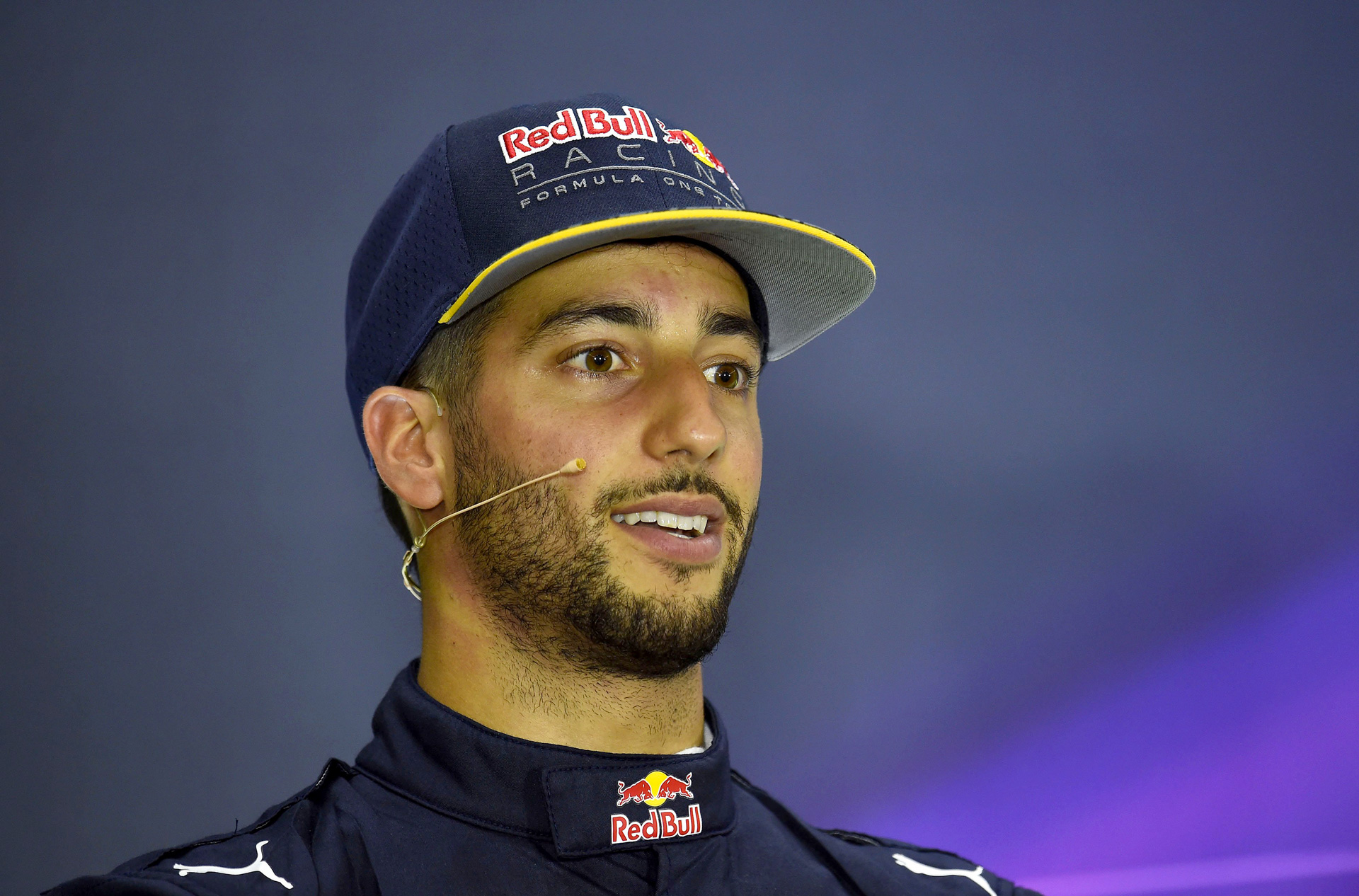
Deprived of a first win in the Principality last year by a very long pit-stop, Daniel Ricciardo hopes that luck will finally turn in this season on his second home race.
« Monaco is definitely my favourite track to drive, said the current fifth in the championship. It is so tight, so intimidating. From the outside some of the sequences looks impossible to go through at the speed we do. Once you are in the car it’s an amazing feeling. »
Famous for its selectivity, the 3,337 km long circuit does not allow any leap of concentration from the drivers. Without comfortable run-off areas like most of modern circuits, « Smiling » knows that he will have to touch the limit and never surpass it.
« If you kiss the wall it actually makes you want to do it again as opposed to scaring you, explains the Aussie. The whole spectacle of the week-end just makes it something unique and special. »
© Jean-François Galeron
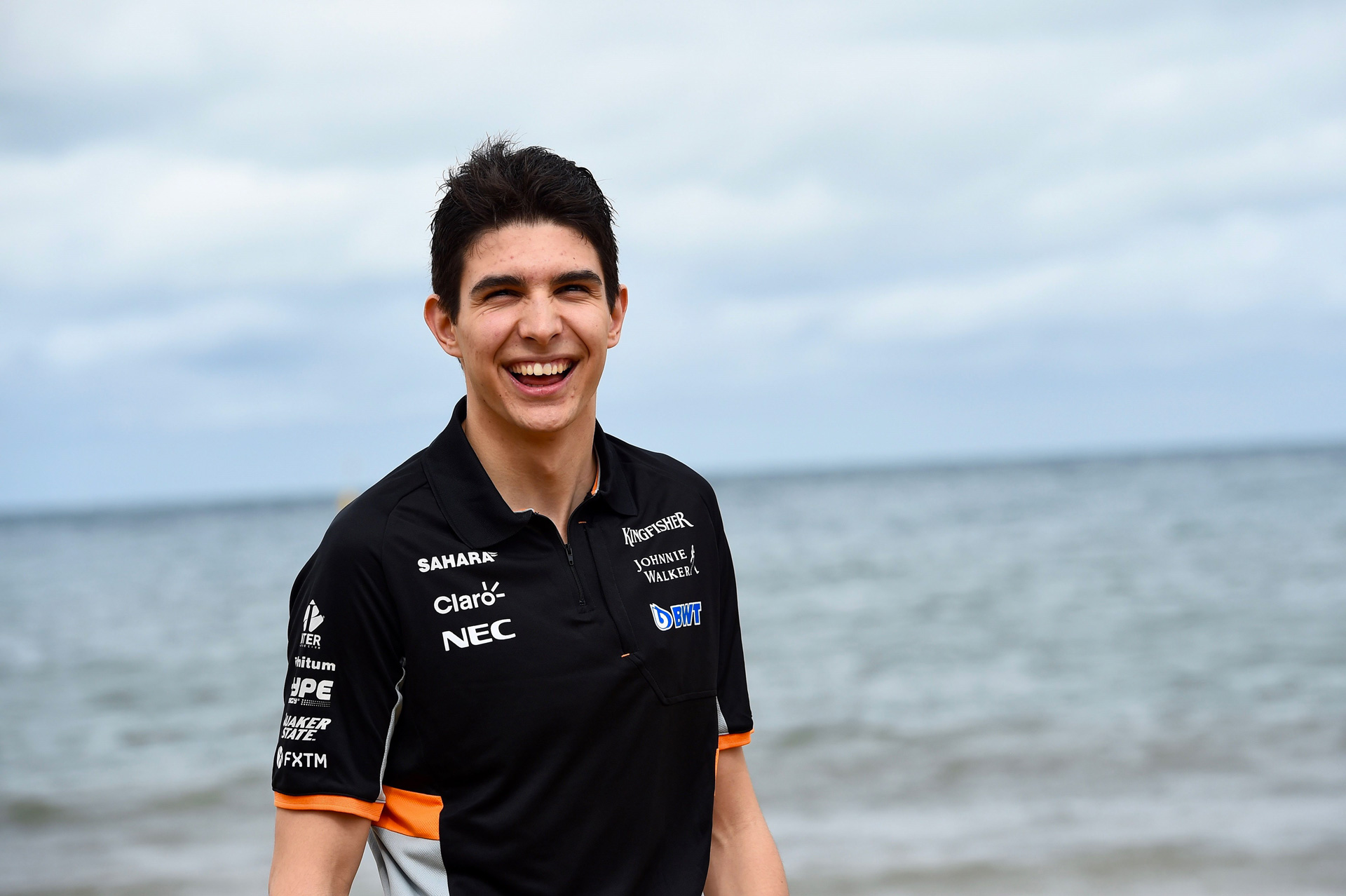
Revelation of the start of the season, Esteban Ocon has never stopped to strengthen since its arrival at Force India. Fifth of the last meeting in Spain, the Frenchman will be race in Monaco for the first time this week-end.
« Driving in Monaco is going to be a new experience for me, said the member of the Mercedes Young Driver Program. I’ve never raced there before. I used to come and watch the Formula One races when I was young, but I never had the opportunity to race there. »
Determined to shine in the Principality, Force India’s driver carefully prepared the sixth round of the championship by spending many hours on the simulator. Aware that he will not have to be impatient on track, the Frenchman wants to be competitive ahead of its many fans.
« It’s a very special place and I always feel a sense of history when I go there, said Esteban. The city is forever linked with Formula One and it’s currently the number one race of the year. For the drivers it gives a big rush of adrenaline and everybody knows it’s a big challenge. »
© Jean-François Galeron
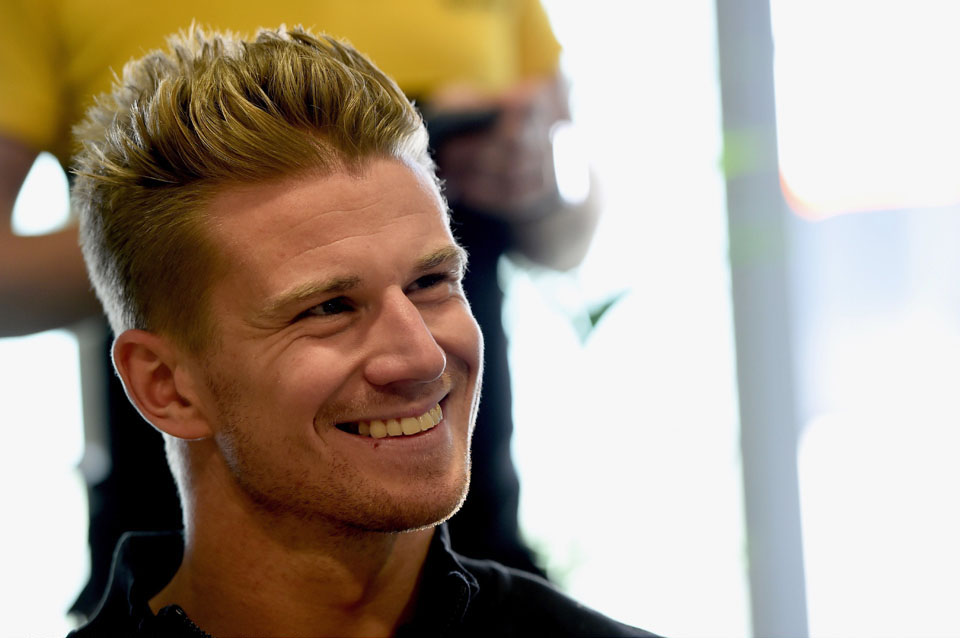
Recruited by Renault to replace Kevin Magnussen, Nico Hulkenberg was kick to justify the confidence placed in him by the French team. Extremely strong in qualifying, the German also get three consecutive entries in the points before to start the most legendary race of the calendar.
« There is no track like Monaco , said the 2015 24 Hours of le Mans winner. It’s the highlight of the year. It’s unique and special in every aspect. There is no place like it to give you a sensation of speed. »
If he didn’t manage a good performance each year on the Monegasque track, the Renault’s driver hopes to get a good result in 2017. But to reach his goal on Sunday, the German knows that a good starting grid is essential. »
« Overtaking is hard but it is a thrilling race and a huge challenge, reveals Nico. Physically is not the most demanding track, but mentally it’s a really tough one. You have to keep all the time a high level of concentration. I really love racing at Monaco . »
© Jean-François Galeron
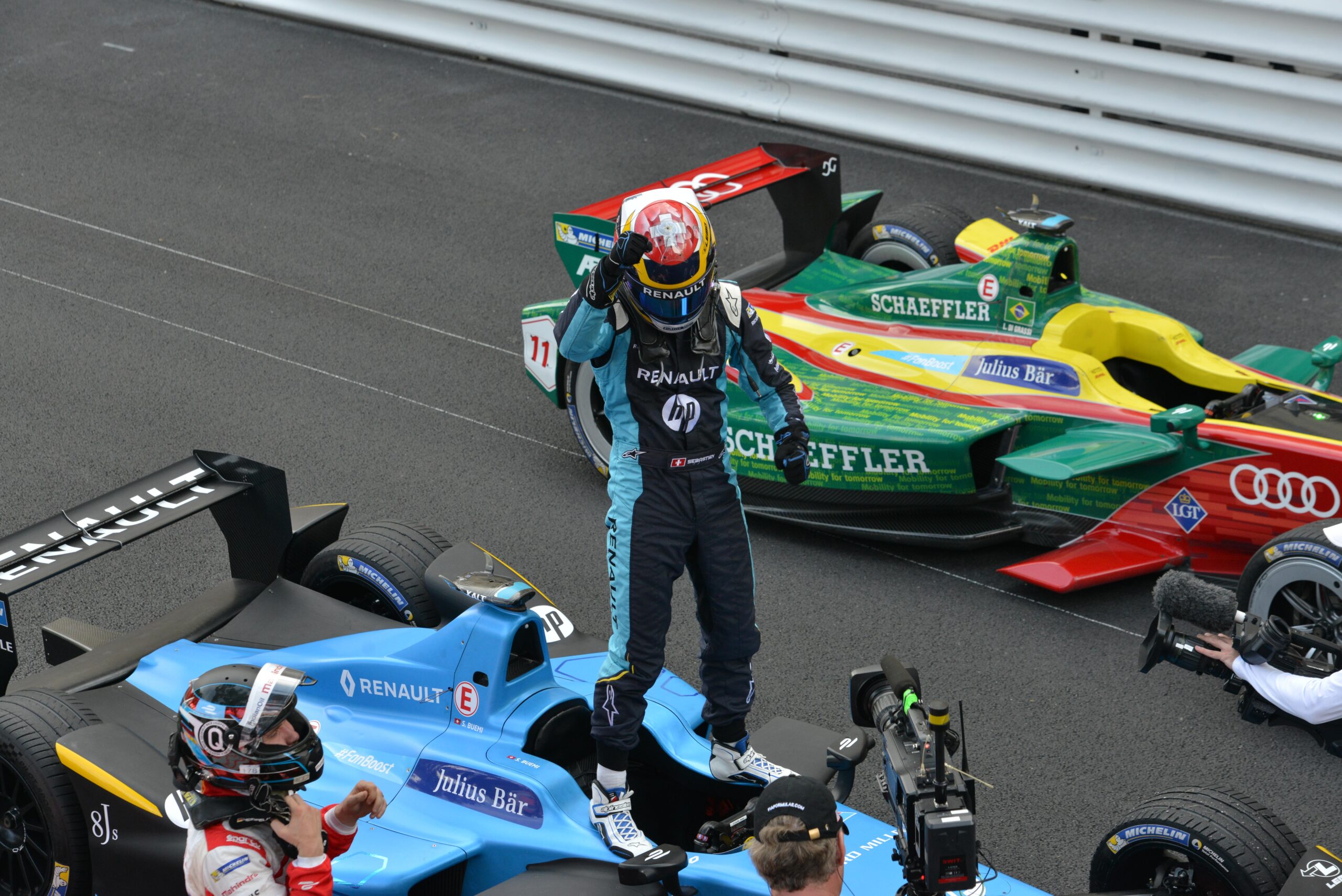
The FIA Formule E Championship’s leader : Sébastien Buemi (Renault E.dams) won the 2nd edition of the Monaco ePrix.The Swiss pilot, who indeed earned his first pole position of the season for the 5th race of the Championship, wins in the Principality of Monaco his 4th race and wins for the second time in as many editions the race in Monaco .